Riding an electric bike in the rain is neither prohibited nor necessarily a bad idea. Modern systems are designed to withstand rain and water splashes, but that doesn't mean you should ride as if the road were dry. As soon as the road is wet, braking distance increases, grip decreases, and visibility deteriorates. This is exactly why the TCS tips for cycling in the rain and cold emphasize adapting your riding style, and why the BPA reminds us of the importance of anticipation and visibility when riding an electric bike.
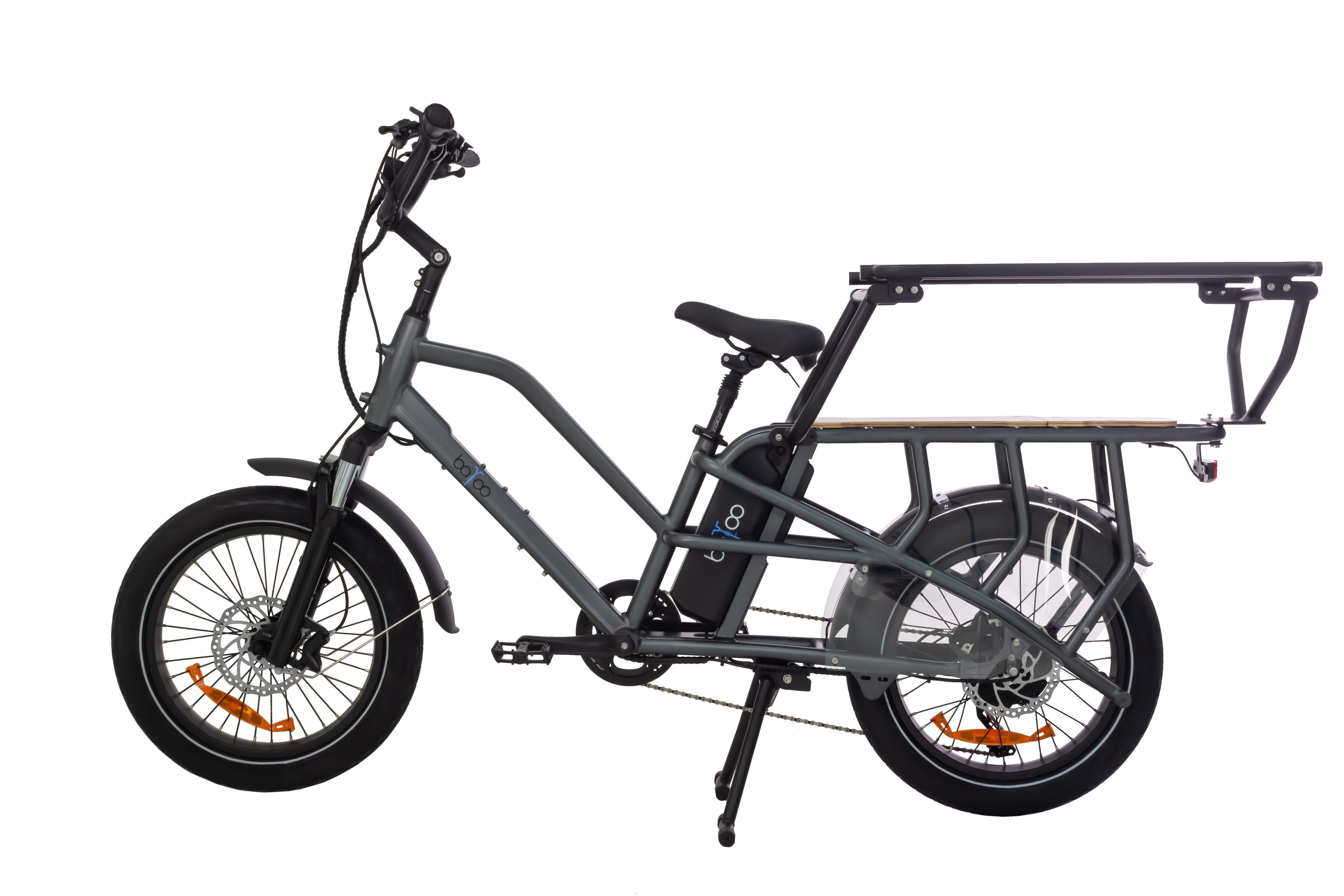
The right approach, therefore, is not to avoid all wet rides, but to understand what truly changes when the road is wet. For a cargo bike, the logic is the same, with an additional point of attention on the weight carried, braking, and passenger comfort. If you often ride with family, a rain cover for cargo bikes, the maintenance checklist for an electric cargo bike, and the guide on the lifespan of an electric bike already provide a very useful basis for tackling bad weather without stress.
What changes when the road is wet
On a wet road, it's not just braking that changes. The entire journey needs to be navigated with greater caution. The road becomes more slippery, visibility decreases, and certain surfaces become much more treacherous than usual.
Painted lines, manhole covers, fallen leaves, rails, and road markings demand more attention. On an electric bike, there's also a simple additional point: for the same effort, you often ride faster than on a regular bike. This extra speed leaves less time to react to sudden braking, a turning car, or a crossing pedestrian.
In practice, rain requires three immediate reflexes:
-
ride a little slower
-
look further ahead
-
accept braking earlier than usual
It's not spectacular, but it's what truly changes real safety on the journey.
Braking, turns, and safe distance
In the rain, the first mistake is often to brake too late. On the contrary, you need to increase the distance from other road users, anticipate more, and avoid sudden braking. On a wet road, progressive braking is almost always safer than a big, late action.
The second key point concerns turns. You need to slow down before the curve, not during it. In the middle of a turn, it's better to avoid heavy braking or sudden pedaling. Everything should be a little smoother: entering the turn, looking, braking, accelerating again. This is even more important with a cargo bike, because the weight and inertia increase.
Here's a simple guideline:
| Situation | Good reflex |
|---|---|
| Traffic light, stop sign, intersection | Start slowing down earlier |
| Turn on a wet road | Brake before, not during |
| Wet descent | Maintain more margin and a stable speed |
| Loaded cargo bike | Further increase safe distance |
| Doubtful surface, paint, rail, manhole cover | Pass straight through without sudden movements |
For the most regular users, some modern braking systems also offer a real advantage. The BPA's recommendations on electric bikes, for example, highlight the benefit of a well-equipped bike and riding adapted to wet roads.
Tires and pressure: the right reflexes
When it rains, we often think first of the brakes. However, tires play an equally important role. Worn, under-inflated, or unsuitable tires greatly reduce grip, especially when cornering or braking.
The right reflex is to check their condition regularly. If the treads are barely visible, if the tire shows cracks, or if it's starting to wear out, it's better not to wait for the wet season to react. In daily use, correct pressure also makes a big difference. A pressure slightly adapted to the rain can help gain a little grip, without falling into excessive under-inflation.
For daily use, remember this above all:
-
check the condition of the tires before the rainy season
-
check the pressure regularly
-
do not ride with overly worn tires
-
monitor the pressure even more closely on a cargo bike or loaded bike
In practice, grip does not depend solely on the tire itself, but on the combination of tire, pressure, speed, and type of road. This is why a well-maintained bike often gives much more confidence when conditions deteriorate.
Visibility and clothing
In the rain, you're not just riding on a more slippery road. You're also riding in an environment where others see you less well. That's why visibility becomes almost as important as braking.
Good lighting, reflective elements, and visible clothing make a real difference, even during the day. Motorists often see you later in the rain, especially in the city or at dusk. You must therefore do everything to be visually present in their field of vision earlier.
The truly useful equipment is often the simplest:
-
effective mudguards
-
visible waterproof jacket
-
gloves that maintain grip
-
rain pants or overshoes depending on the journey
-
reliable front and rear lighting
-
reflective elements on the bike or clothing
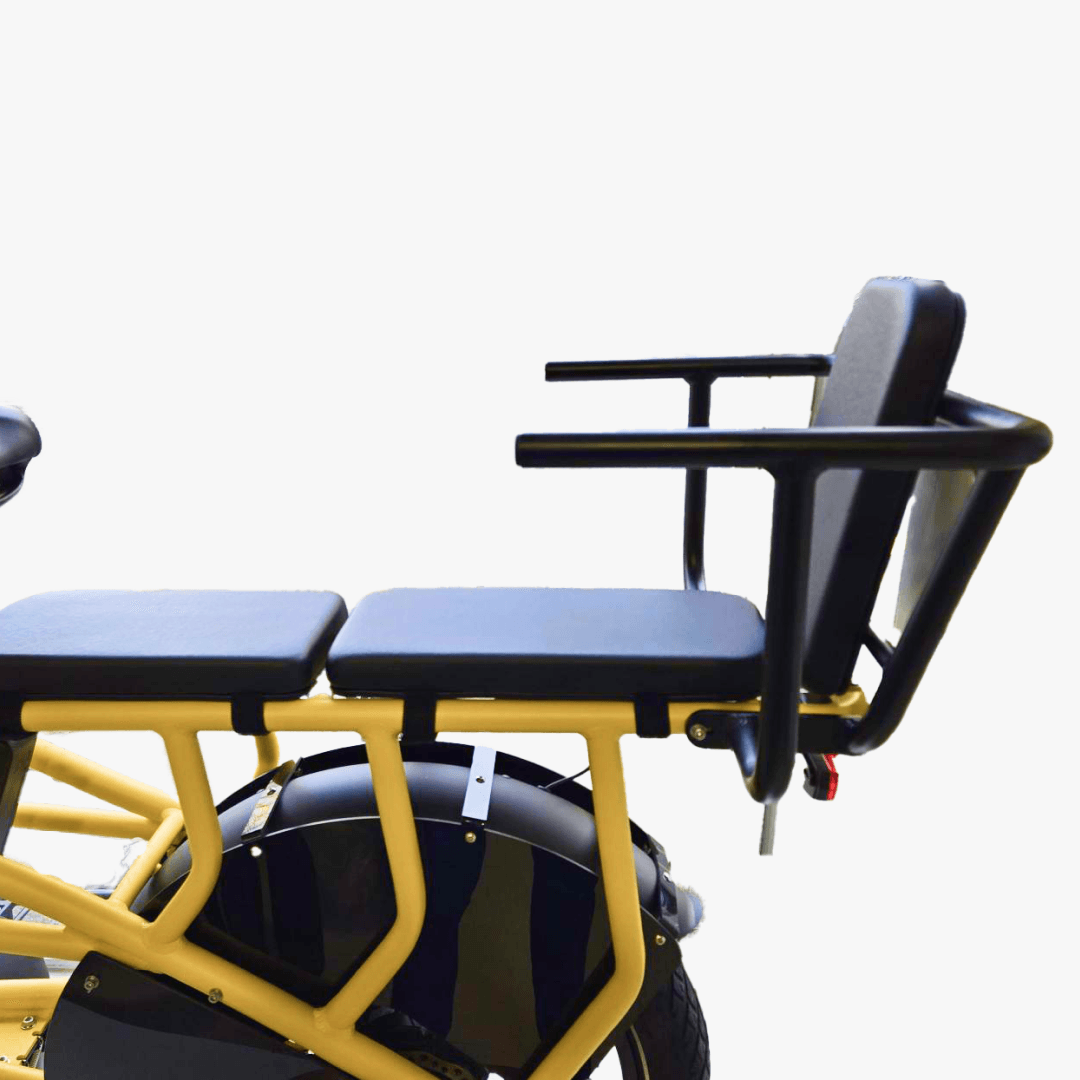
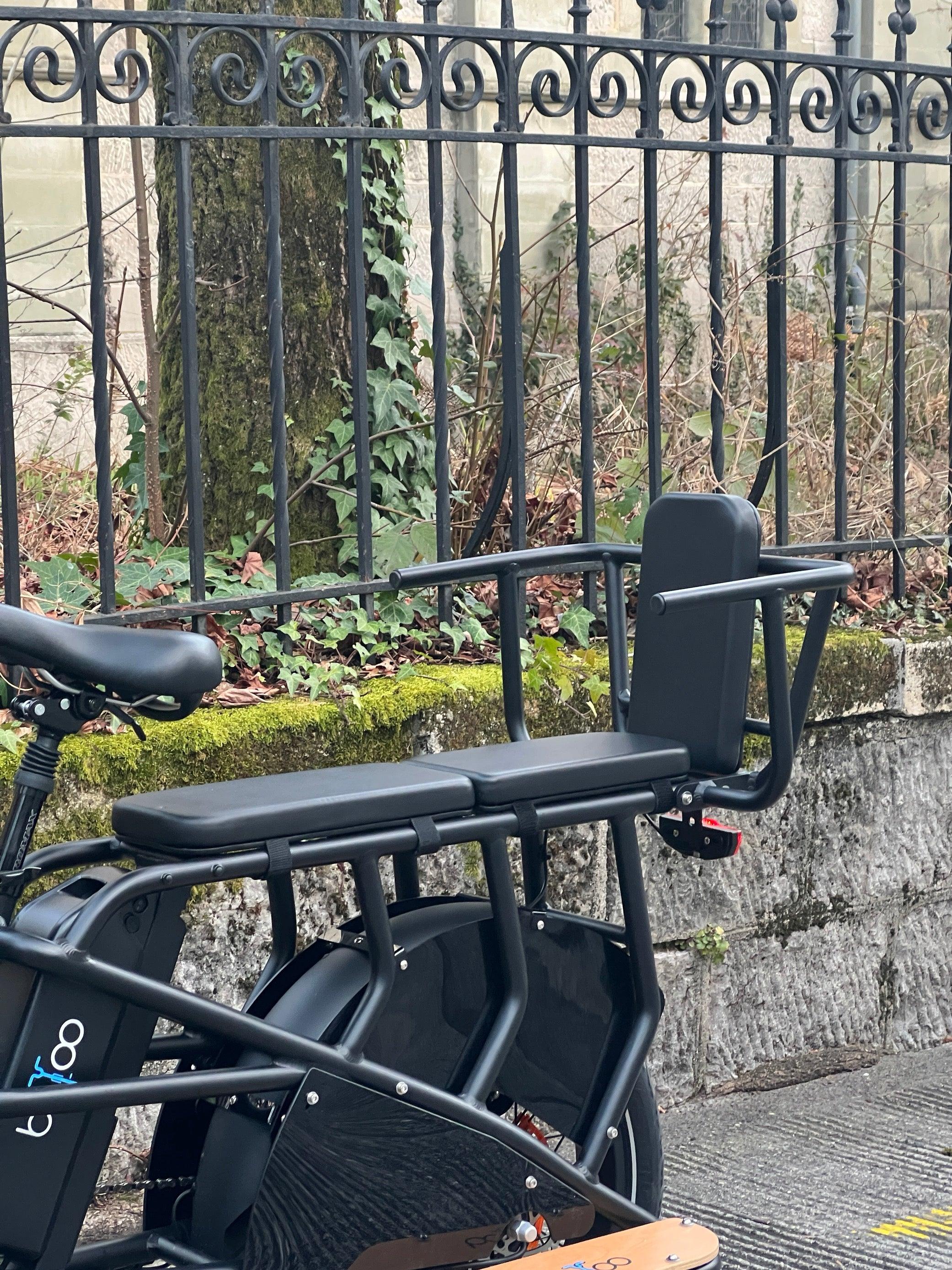
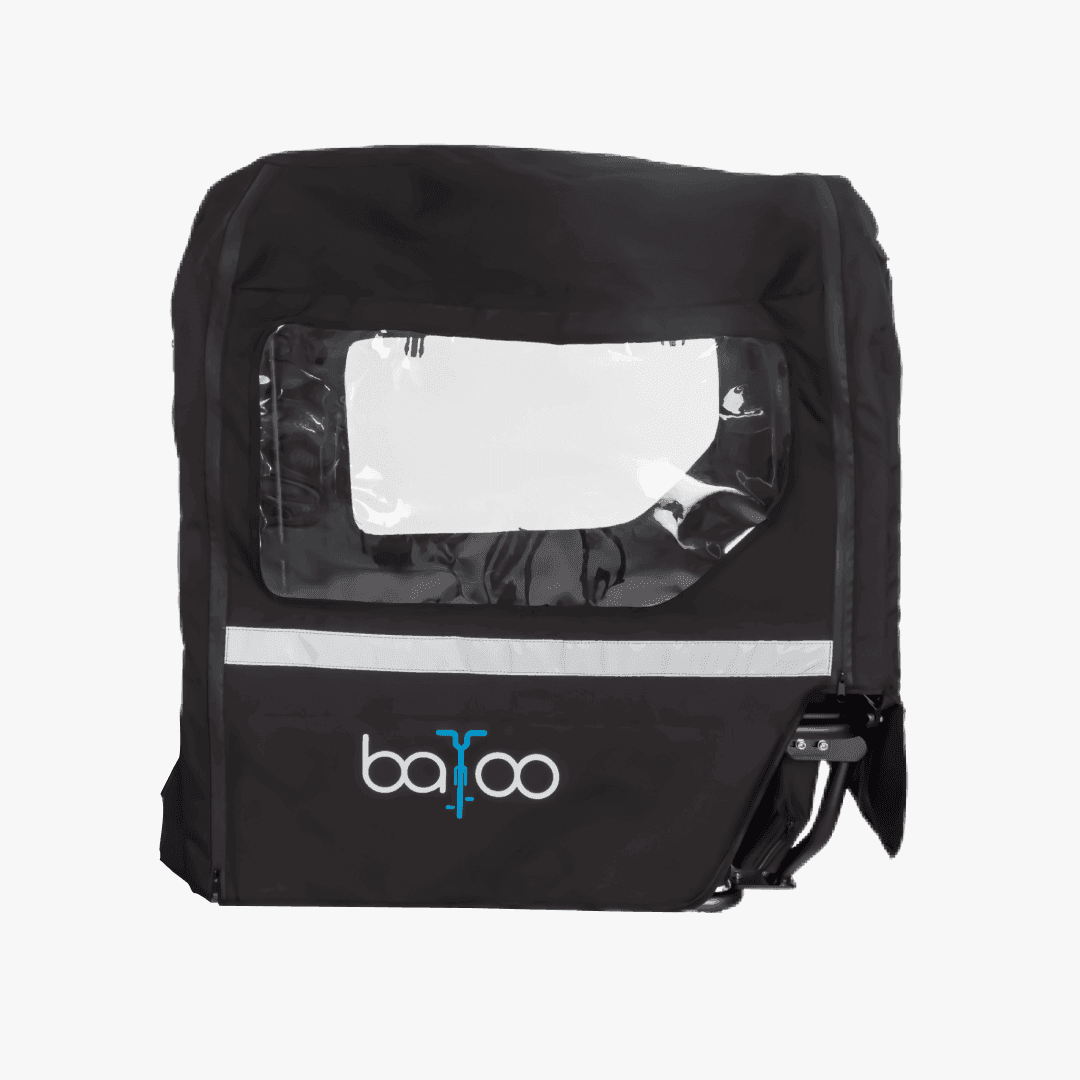
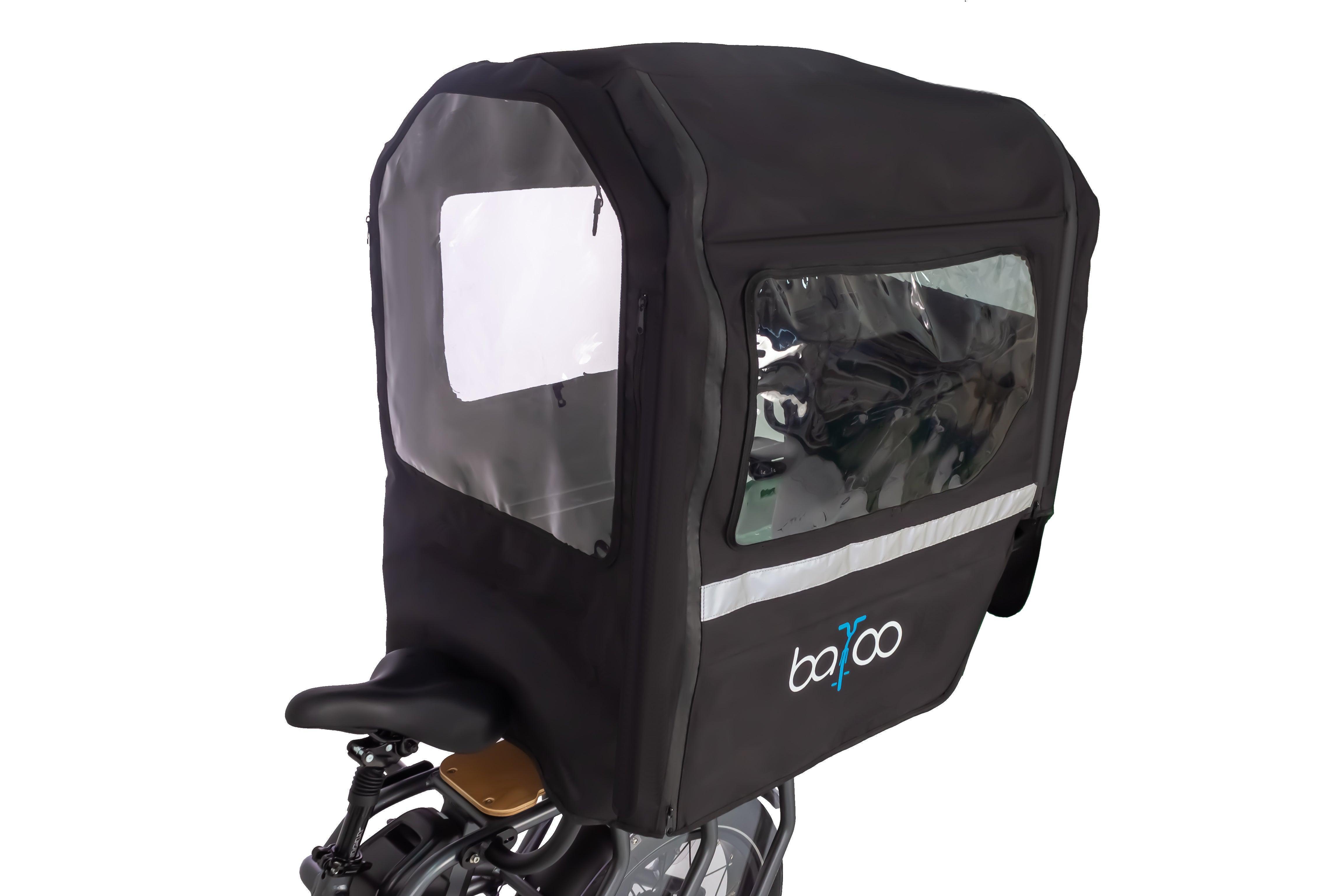
And if you're carrying children, a rain cover for cargo bikes genuinely changes the comfort of the journey. This type of equipment keeps passengers dry while improving the parent's peace of mind on the daily commute.
Battery, display, connectors: what you need to know
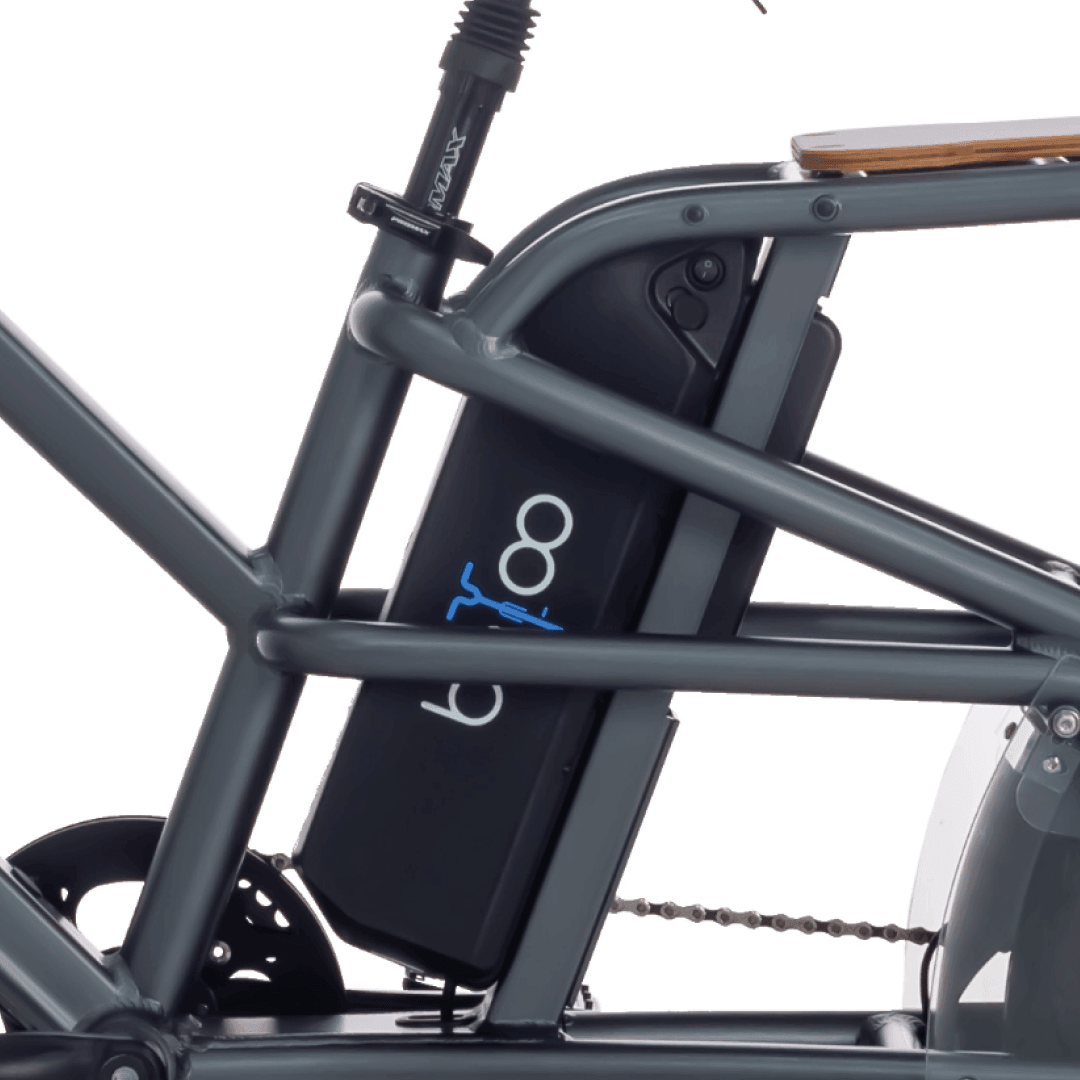
Normal rain is not automatically a danger for a well-designed electric bike. The components of an e-bike are designed to withstand normal use in the rain and water splashes. However, resistance to rain should not be confused with tolerance to immersion.
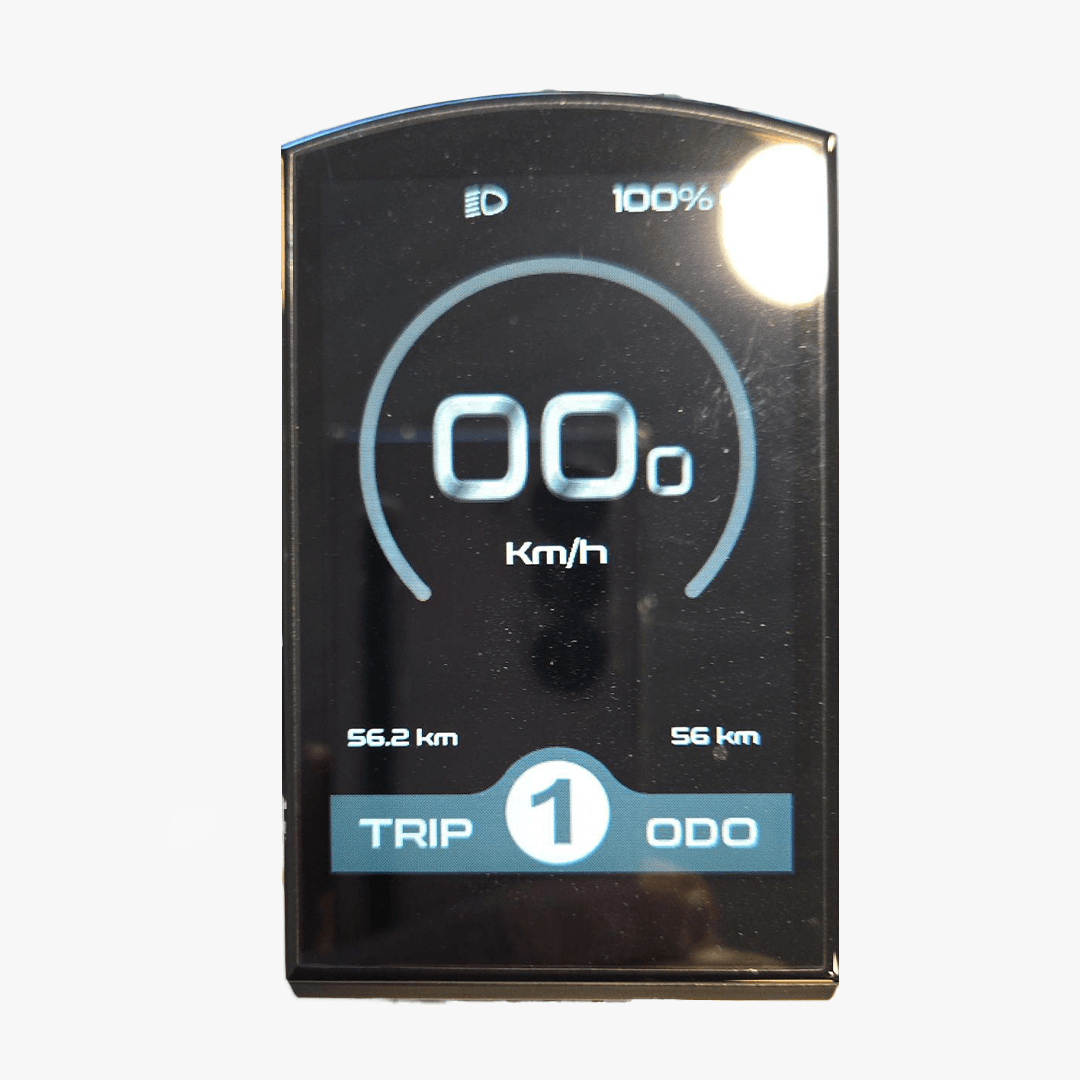
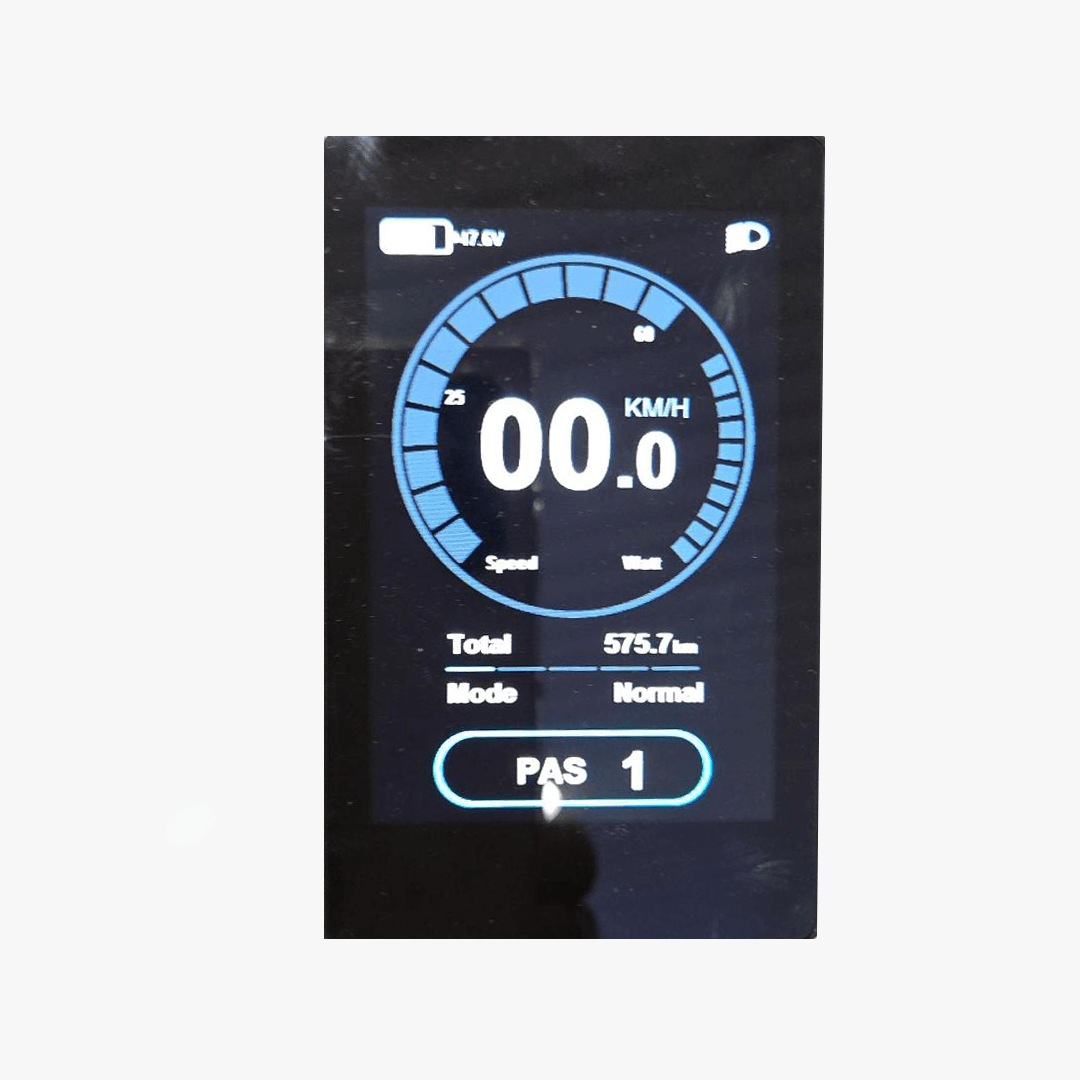
The battery, display, and connectors therefore deserve some attention. After a wet ride, it is useful to dry the bike, wipe exposed areas, and prevent moisture from remaining on contacts or in small sensitive areas for too long. Bosch's advice on using and maintaining an eBike in autumn and winter goes along these lines: rain is okay, aggressive cleaning is not.
Remember this above all:
| Element | What to do | What to avoid |
|---|---|---|
| Battery | Wipe, keep clean, charge in a dry place | Water jet, high pressure, opening it yourself |
| Display | Dry it, avoid long exposures, protect if necessary | Leaving it unnecessarily exposed for hours |
| Connectors | Keep clean and dry as much as possible | Allow mud, stagnant water, or dirt to accumulate |
| Motor / electrical areas | Ride normally in the rain | Immersion, deep puddles, aggressive cleaning |
The simplest rule remains the same: an electric bike can handle rain, but it dislikes pressurized water, prolonged humidity, and bad cleaning habits.
Maintenance after a ride in the rain
This is often where the longevity of the bike is determined. A ride in the rain doesn't automatically damage an electric bike, but a lack of maintenance after several wet rides eventually wears out the drivetrain, brakes, contacts, and certain exposed parts faster.
After a wet ride, it's ideal to take two to five minutes to get the bike back in good condition. This is often enough to prevent premature wear.
Simple routine after rain:
-
wipe the frame and exposed areas
-
dry the drivetrain if it's wet
-
check that the brakes remain firm
-
gently clean electrical areas without hosing down
-
re-lubricate the chain if necessary
The electric cargo bike maintenance checklist summarizes this logic very well: monitored tires, checked brakes, clean chain, well-cared-for battery, and gentle cleaning. This is even more important if the bike is ridden every day, in all weather conditions.
Frequent errors
Certain errors always recur when riding in the rain:
-
braking too late
-
maintaining the same speed as in dry weather
-
entering a turn while pedaling or braking
-
neglecting tires and their pressure
-
riding with poor lights
-
leaving the bike soaking outside without protection
-
cleaning with a lot of water or a pressure washer
These are not small details. These errors often make the difference between a normal wet ride and a stressful or risky one.
Conclusion
Yes, you can ride an electric bike or cargo bike in the rain in Switzerland. The real challenge is not to avoid all wet rides, but to adapt your riding, equipment, and maintenance. On wet roads, safety primarily relies on three things: anticipating more, allowing more braking margin, and remaining highly visible.
The rest is mostly common sense well applied: tires in good condition, checked pressure, clean brakes, battery treated with care, and slightly more regular maintenance. It is this routine, more than any miraculous accessory, that allows you to ride confidently in the rain every day.
Final FAQ
Is it dangerous to ride an electric bike in the rain?
It's not automatically dangerous, but it is more demanding. The road surface is more slippery, visibility decreases, and braking distance increases. Therefore, you need to ride more smoothly, slow down, and anticipate more.
How to brake correctly on a wet road?
You need to start braking earlier, avoid sudden harsh braking, and stabilize the bike before the turn. The correct reflex is to brake progressively and maintain a greater safe distance.
Which tires should I choose for more grip?
The most important thing is to have tires in good condition, with clear treads, and correctly adjusted pressure. A worn or under-inflated tire greatly reduces safety on wet roads.
Should the battery be protected from rain?
Normal rain is not a problem for a well-designed system, but you should avoid immersion, deep puddles, unnecessary long exposures, and especially cleaning with a jet or high pressure. After the ride, it's best to dry and clean gently.
What equipment is truly useful?
The most useful are often mudguards, good lighting, visible clothing, reflective elements, gloves with good grip, and, for a cargo bike, an appropriate rain cover for passengers.